Technology2026-09-10
Product Based Companies in Pune: How They Build, Scale, and Grow Digital Products
Read Article
As businesses across Pune—from the tech parks of Hinjewadi and Kharadi to the growing commercial hubs of Kondhwa, NIBM, and the manufacturing corridors of Pimpri-Chinchwad—continue to modernize, one question dominates executive discussions: Where does Artificial Intelligence end, and where do human employees remain indispensable?
Rajesh Sivalapan
Technology & Business Consultants
As businesses across Pune—from the tech parks of Hinjewadi and Kharadi to the growing commercial hubs of Kondhwa, NIBM, and the manufacturing corridors of Pimpri-Chinchwad—continue to modernize, one question dominates executive discussions: Where does Artificial Intelligence end, and where do human employees remain indispensable?
Over the past two years, extreme narratives have created confusion. On one side, hyper-optimists claim AI will replace entire departments overnight. On the other, skeptics dismiss automated tools as mere novelties.
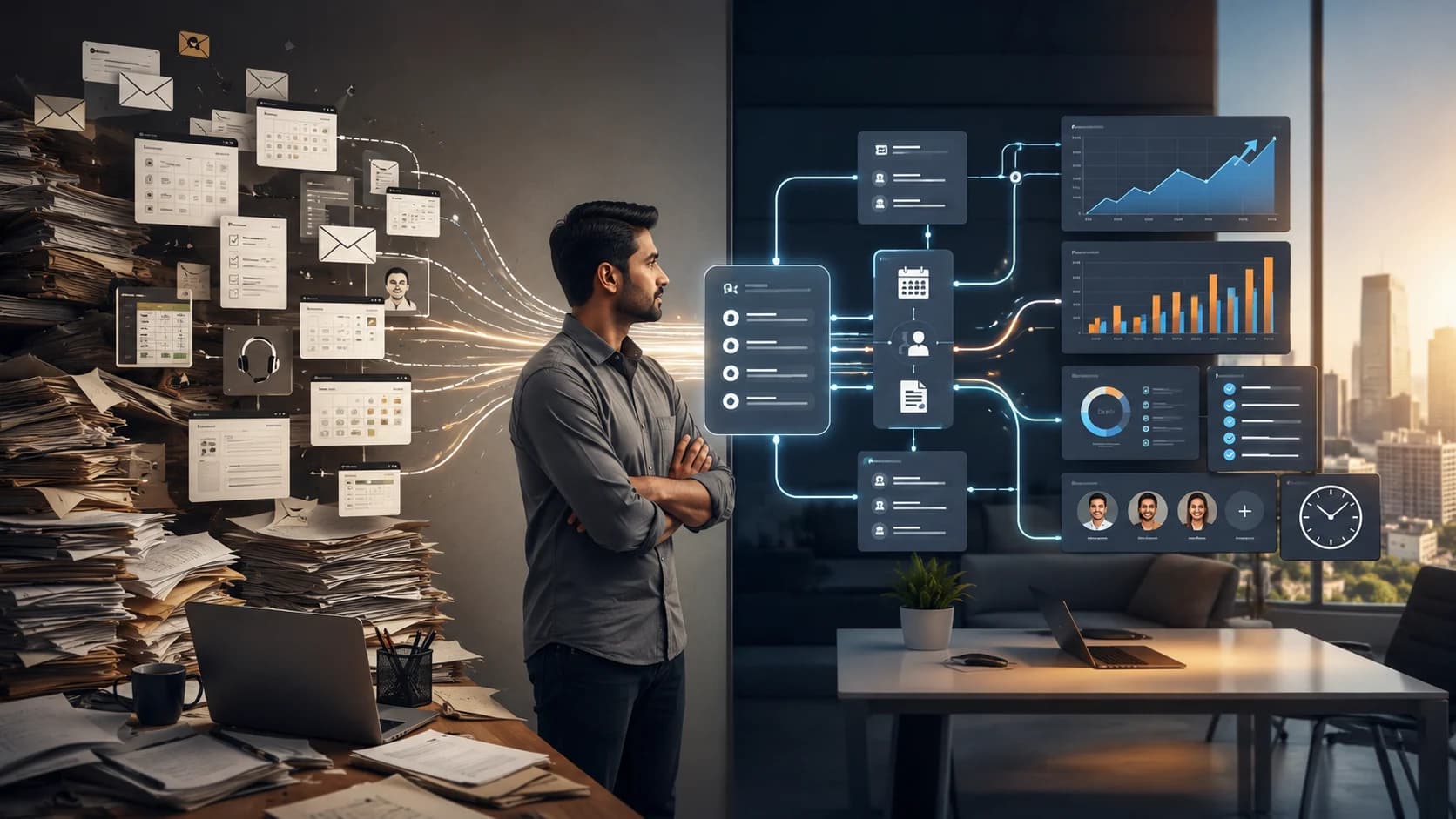
By 2026, the reality has become clear to successful business leaders: AI is not a replacement for human talent—it is a force multiplier.
The real strategic advantage comes from knowing precisely which tasks to hand off to algorithms and which responsibilities must stay firmly in human hands.
Here is a practical blueprint for balancing AI automation with human expertise in your business.
AI software processes massive amounts of structured data at incredible speed without fatigue. It is built to eliminate operational lag and human error in repetitive, rules-based tasks.
| TASK DELEGATION FRAMEWORK | |
|---|---|
| LEVERAGE AI FOR (Speed & Volume) | RESERVE FOR HUMANS (Strategy & Empathy) |
| 24/7 First-Line Support Queries | Complex High-Value Negotiations & Deals |
| Raw Data Processing & Formatting | Strategic Vision & Creative Direction |
| Predictive Inventory & Forecasting | Ethical Oversight & Governance |
| Automated Workflow Triggers | Team Leadership & Mentorship |
Human employees can spend hours copying data across spreadsheets, formatting quarterly sales reports, or tracking operational metrics. AI engines analyze patterns across thousands of records in seconds, highlighting anomalies and generating visual performance summaries automatically.
Up to 70% of inbound customer inquiries—such as order status updates, service hours, basic pricing, or routine troubleshooting—follow predictable patterns. Intelligent chat agents manage these immediate requests 24/7, keeping customer response times under a minute.
Staring at a blank page drains time. AI tools excel at building initial outlines, summarizing 50-page vendor reports into concise bullets, drafting routine email templates, and running preliminary market research.
Whether forecasting seasonal product demand in a retail environment or predicting equipment maintenance needs in a manufacturing setup, AI identifies trends in historical data far faster than manual review.
While AI can calculate and draft, it lacks nuance, emotional understanding, real-world context, and moral judgment.
Closing major commercial deals, resolving angry client escalations, and building long-term business partnerships require empathy, active listening, and emotional intelligence (EQ). An AI can present a price quote, but a human professional reads the room and builds trust.
AI creates output by recombining existing historical data. It cannot understand unique local market shifts, brand values, or intuitive business strategies. Humans decide what to build, why it matters, and how to position it in a changing market.
Motivating a team, managing workplace conflict, mentoring junior talent, and cultivating an innovative company culture require human connection. Software cannot inspire people or foster loyalty.
Algorithms operate strictly on rules and probabilities—they do not understand ethics, fairness, or legal accountability. When sensitive decisions arise in hiring, legal compliance, or financial risk management, final sign-off must always belong to a responsible human manager.
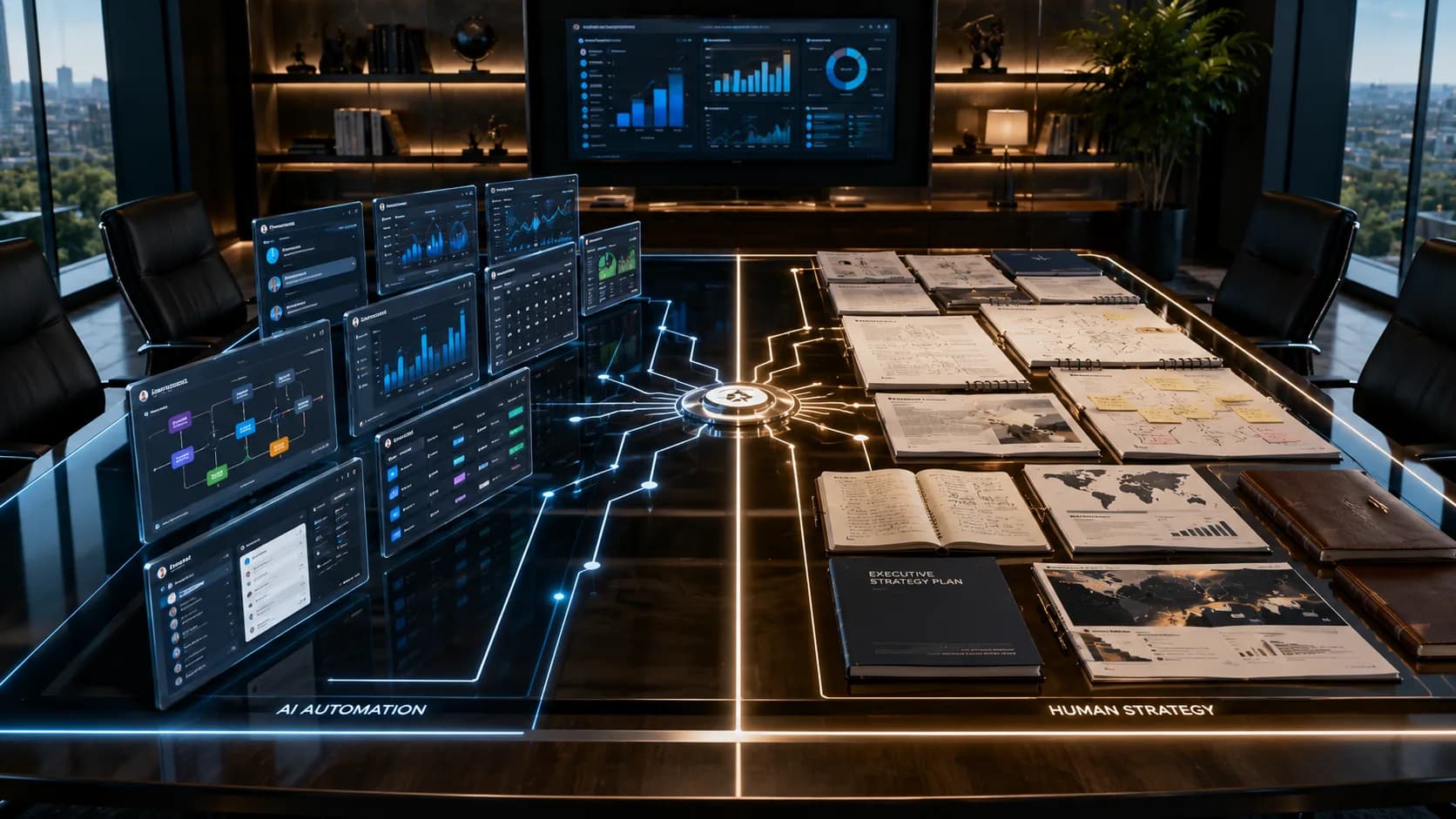
The most profitable organizations in Pune—whether located in Kondhwa, Baner, or Hadapsar—are not choosing between employees or AI. They are building a hybrid collaborative workforce where human employees act as managers directing specialized AI assistants.
[ AI Engine: Gathers Data & Drafts ] ---> [ Human Employee: Reviews, Refines & Decides ] ---> [ High-Impact Result ]
Your customer care team transitions from answering repetitive questions to resolving complex, high-value client issues.
Your marketing specialists spend less time typing initial drafts and more time shaping high-level brand strategy.
Your sales representatives spend fewer hours updating CRM records and more time in face-to-face meetings closing revenue.
In most successful deployments, no. Instead of replacing people, AI shifts employee responsibilities away from repetitive paperwork toward higher-value client management, sales, and strategy.
Start by identifying roles that spend over 30% of their day on routine manual tasks—such as administrative data entry, scheduling, basic customer chat, or initial document drafting.
Risk is managed by setting clear boundaries. Use AI for standard, low-risk inquiries, but always build an automatic escalation path so complex or emotional issues are immediately transferred to a human team member.
Rajesh Sivalapan is a Technology & Business Consultants at Maxima Business Solutions. Our team specializes in custom software development, cloud infrastructure setup, SEO strategy, and helping growing enterprises achieve operational excellence.
Partner with Maxima Business Solutions to build scalable architectures, modern web apps, and automated workflows.
Schedule Your Free Consultation